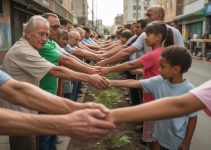
When crisis hits, you’ll want clear principles that honor everyone’s dignity while guiding practical action. Baha’i teachings offer a framework of compassion, consultation, and service that helps communities assess needs, prioritize justice, and work together for lasting recovery. You’ll see how simple habits—humility, shared decision‑making, and capacity‑building—shift relief from temporary fixes to real empowerment, and why that matters for both immediate aid and long‑term resilience.
Main Points
- Baha’i teachings frame hardship as a call to collective service, promoting unity and shared responsibility over blame.
- Compassion is expressed by preserving dignity, treating affected people as equal partners, not passive recipients.
- Consultation and inclusive decision-making guide community responses, ensuring transparent, culturally appropriate aid.
- Service prioritizes vulnerable groups, balances immediate relief with long-term resilience and capacity-building.
- Sustained solidarity relies on rotating responsibilities, local institution-building, and consistent, respectful communication.
Why Baha’i Teachings Matter in Times of Crisis
When crises shake your sense of stability, Baha’i teachings offer practical guidance rooted in unity, service, and spiritual resilience; they don’t just comfort, they point to actionable ways to respond with compassion and integrity. You’re encouraged to see hardship as a call to collective effort, so you focus on meeting needs rather than assigning blame. You’ll find moral clarity in teachings that emphasize consultation, justice, and the equality of all people, which helps you prioritize long-term recovery over short-term reactions. You’ll be guided to serve consistently, balancing material aid with encouragement and dignity. Applying these principles, you act decisively yet thoughtfully, fostering community bonds that strengthen both immediate relief and sustained healing.
Core Principles Guiding Baha’i Compassion and Service
Because compassion in action depends on principles as much as feeling, Baha’i teachings give you clear guides—unity, service, justice, and consultation—that shape how you respond in hardship. You’re urged to see each person’s dignity, act with humility, and serve without seeking praise. These principles keep your efforts focused on long-term well-being, not short-term relief alone. They also require you to listen, reflect, and coordinate with others so aid is effective and respectful.
- Center dignity: treat people as equal partners, not passive recipients.
- Pursue justice: address root causes and systemic unfairness alongside immediate help.
- Practice consultation: involve communities in decisions, blending diverse views into shared solutions.
How Baha’is Assess Immediate Needs and Prioritize Aid
When you respond to crises as a Baha’i, you first assess what’s needed to preserve human dignity—food, shelter, medical care, and respectful treatment. You give priority to those most vulnerable, such as children, the elderly, and those cut off from resources. Your decisions are guided by fairness, urgency, and a duty to restore people’s capacity to thrive.
Assessing Immediate Human Dignity
Compassion guides how Baha’is assess immediate human dignity, so they first listen closely to the affected people, asking what they most lack and respecting their responses as key data; aid is then prioritized to restore autonomy, safety, and basic needs in that order, with attention to protecting privacy and cultural norms. You engage directly, validate feelings, and document needs without imposing assumptions. You weigh urgency and long-term dignity, choosing interventions that preserve self-respect and avoid dependency. You coordinate with local structures and other responders to fill gaps efficiently. You also remain flexible, reassessing as situations evolve and ensuring recipients can decline assistance without stigma.
- Respect expressed needs
- Preserve autonomy
- Coordinate discreetly
Prioritizing Vulnerable Needs
Start by identifying the most vulnerable people in the affected community and listen to what they say they need most; you’ll prioritize aid that guarantees safety, restores basic needs, and protects dignity in that order. You assess needs quickly, consult local voices, and balance urgency with respect. You prioritize children, elders, those with disabilities, and marginalized households, then match resources to expressed priorities—shelter, water, food, medical care, and psychosocial support. You coordinate with others to avoid duplication and guarantee equitable access. Use simple criteria: immediacy, severity, and capacity to cope. Monitor outcomes and adjust as needs evolve. Communicate choices transparently so people understand why aid goes where it does.
| Priority | Example |
|---|---|
| Safety | Secure shelter |
| Basic needs | Food, water, care |
Practical Community-Based Responses Grounded in Unity
Although challenges can feel isolating, communities that act together and draw on Baha’i principles of unity and service can respond more effectively and compassionately to hardship. You can mobilize neighbors quickly by coordinating simple, equitable actions: shared kitchens, mutual aid rosters, and volunteer check-ins. When you center consultation and collective decision-making, responses reflect real needs rather than assumptions. Keep efforts transparent and inclusive so everyone feels ownership and dignity. Use existing local networks—youth, women’s groups, devotional circles—to match skills with needs, avoiding duplication. Communicate clearly about resources, roles, and timelines to maintain trust. Small, coordinated acts build immediate relief and social cohesion without waiting for external solutions.
When neighbors organize with unity, simple, transparent acts—shared kitchens, mutual aid, volunteer check-ins—bring dignity and lasting cohesion
- Mobilize local skills and resources
- Prioritize dignity and inclusion
- Communicate roles and timelines
Building Long-Term Resilience: Education, Institutions, and Capacity
Strengthen resilience by investing in education, local institutions, and practical capacity-building that prepare communities for long-term change. You nurture learning that equips people with critical thinking, vocational skills, and moral formation so they can adapt and lead. Support local governance, community councils, and voluntary associations to manage resources, coordinate relief, and sustain initiatives beyond emergencies. Train facilitators, teachers, and administrators in participatory methods so programs remain relevant and locally owned. Mobilize modest, diversified funding and transparent management to reduce dependency and build trust. Encourage intergenerational knowledge transfer so traditions and new practices reinforce one another. By focusing on systems rather than one-off aid, you help communities become self-reliant, responsive, and able to flourish through ongoing challenges.
Examples: Baha’i-Led Relief, Social Action, and Collaboration
Explore concrete examples of Baha’i-led relief, social action, and collaboration to see how principles become practice in crises and everyday hardships. You witness communities mobilizing to provide emergency shelters, distribute food, and coordinate medical referrals while respecting dignity and local customs. You see youth-led educational projects that teach hygiene, literacy, and civic virtues, reducing vulnerability over time. You observe partnerships with other faith groups, NGOs, and authorities to scale efforts without taking over local leadership. These examples show service grounded in consultation, unity, and capacity-building rather than short-term charity.
- Emergency relief that respects local norms and builds local capacity
- Youth social action projects focused on education and resilience
- Collaborative networks bridging faith communities, NGOs, and officials
How Individuals Can Act Now: Simple Steps to Serve With Solidarity
You can start by looking for immediate needs in your neighborhood—food pantries, elder care, or community gardens—and offering steady, practical help. Connect with other volunteers and local groups to build shared networks that multiply your impact and keep care consistent. Small, regular acts of service done together will show solidarity and strengthen your community.
Serve Local Needs
Start by noticing what your neighbors and local groups actually need right now, then offer practical help that respects their dignity. You can check in, listen, and respond with small, concrete acts: deliver groceries, share skills, or offer childcare. Keep offerings simple, specific, and time-bound so people can accept without discomfort.
Focus on accessible actions you can sustain. Ask permission before acting, honor privacy, and adapt to cultural norms. Use your daily routines—walking, shopping, work—to spot needs and gently intervene. Track what works and repeat it. By serving locally with humility and consistency, you strengthen communal resilience and model compassionate behavior others can imitate.
- Offer concrete, short-term help
- Ask before intervening
- Repeat successful small acts
Build Shared Networks
Connect neighbors, groups, and small organizations into simple, reliable networks so help moves quickly and doesn’t rely on one person. You can map local skills and resources—who has transport, language ability, childcare, or medical training—and share that list securely. Set clear, minimal roles: who checks on elders, who coordinates supplies, who communicates updates. Establish few, regular touchpoints—a weekly message, a single phone tree, or a shared calendar—so information flows without overload. Use low-tech options for accessibility and backup digital tools for efficiency. Rotate responsibilities to prevent burnout and build trust by acting transparently and following through. Small, steady systems make compassion sustainable, letting your community respond with dignity and solidarity when challenges arise.
Frequently Asked Questions
How Do Baha’i Principles Influence Interfaith Disaster Response Coordination?
They guide you to prioritize unity, consultation, and service, so you’ll collaborate respectfully across faiths, coordinate transparently, share resources equitably, uplift local capacities, and foster long-term resilience while keeping dignity, justice, and spiritual motivation central to response efforts.
Are There Specific Baha’i Texts Used in Grief Counseling After Crises?
You’ll find no single mandated text; practitioners often draw on prayers and writings by Bahá’u’lláh, `Abdu’l‑Bahá, and Shoghi Effendi—plus Psalms or contemporary grief guides—to comfort, provide perspective, and foster healing together.
How Do Baha’i Communities Fund Long-Term Resilience Projects?
You fund long-term resilience projects through community fundraising, local contributions, and voluntary reserves, tapping institutional funds, coordinated donation drives, and partnerships with other organizations, ensuring transparent stewardship, regular consultation, and accountable implementation to sustain impact.
What Role Do Youth Play in Baha’i-Led Emergency Preparedness?
You lead youth to become first responders, scouts, and community weavers; they’ll organize drills, teach preparedness, mobilize swift relief, and nurture resilience, turning energy and creativity into practical skills that strengthen families and neighborhoods before and after crises.
How Are Refugees Integrated Into Local Baha’i Community Life?
You welcome refugees into local spiritual gatherings, consult with them, offer practical support, involve them in service projects and study circles, and help them build friendships and capacity so they can contribute and belong in the community.
See the Next Article
You’re not just offering a hand—you’re building a bridge wide enough for whole neighborhoods to walk across together. When you act with Baha’i-inspired compassion, service, and solidarity, your small kindnesses ripple like tidal waves, toppling walls of isolation and planting forests of resilience. Keep consulting, serving, and learning side by side; every humble effort swells into collective strength, turning crisis into a classroom where justice, dignity, and unity bloom everywhere.