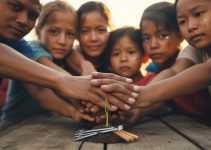
When you face hardship within a Bahá’í context, you’re invited to see it as a chance to grow and to connect with others who share in human vulnerability. You’ll find practical teachings that turn suffering into service, daily practices that build empathy, and community structures that mobilize support. Consider how these elements shift personal pain into collective strength — and what that shift might mean for your own response to struggle.
Main Points
- The Bahá’í Faith teaches that hardships refine character, turning personal trials into opportunities for service and solidarity with others.
- Suffering is seen as a shared human condition that fosters empathy and strengthens bonds across diverse communities.
- Prayer, reflection, and meditation cultivate patience and detachment, enabling compassionate action toward those in need.
- Organized community responses—relief networks, volunteer rosters, and resource hubs—transform goodwill into coordinated support.
- Regular consultation and reflection ensure responses to hardship uphold dignity, justice, and long-term communal resilience.
How the Bahá’í Faith Understands the Purpose of Hardship
Though hardships can feel like setbacks, the Bahá’í teachings present them as instruments for growth and refinement: they test your character, strengthen your virtues, and deepen your reliance on God. You’re encouraged to view trials as purposeful: they prompt inner transformation, reveal weaknesses to correct, and cultivate patience, detachment, and trust. Rather than mere punishment, suffering becomes a classroom where you learn to align actions with spiritual principles. You’ll find guidance in prayer, consultation, and service, which help you interpret hardship constructively and stay anchored. By meeting difficulties with resilience and humility, you’ll mature spiritually and contribute more effectively to community life. This perspective reframes pain as a means to personal and collective moral advancement.
Core Bahá’í Principles That Turn Suffering Into Solidarity
When you face suffering, the Bahá’í teachings point to specific principles—unity, compassion, service, and the transformative power of prayer—that turn personal trials into collective strength. You’re reminded that humanity is one family, so your pain connects you to others rather than isolating you. Compassion asks you to recognize shared vulnerability and respond with empathy. Service reframes hardship as a call to act, encouraging you to alleviate others’ burdens and build communal resilience. Justice guides fair treatment, ensuring suffering isn’t ignored or unevenly borne. Consultation lets communities address problems collectively, blending perspectives into wise responses. Prayer and reflection sustain you, offering perspective and moral courage. Together these principles convert private suffering into mutual support and durable solidarity.
Personal Practices Believers Use to Transform Pain Into Service
You can turn personal pain into meaningful service by using regular prayer and reflection to steady your heart and clarify your intentions. Let prayer guide you to see needs around you, and let acts of service become a form of healing for both you and others. In this way, spiritual practice and practical help work together to transform suffering into solidarity.
Prayer And Reflection
Because prayer and reflection center our hearts, believers turn inward to transform personal pain into concrete service for others. You quiet your mind, name the hurt, and let prayer steady your purpose. Reflection helps you see suffering as shared, not isolating; it moves you from resentment to resolve. In solitude you gather strength, rehearse compassion, and prepare to act with humility.
- You pause daily to offer pain up, gaining calm and clarity.
- You journal insights from prayers, converting feeling into intention.
- You meditate on unity, which reshapes anger into empathy for others.
- You ask for guidance, then step out to meet needs with steady hands.
Service-As-Healing
Often quietly, believers turn their own wounds into avenues of service, treating healing as both personal work and communal gift. You take your pain as a teacher: you listen to it, reflect, and let it guide practical acts that help others facing similar trials. You volunteer time, share skills, or offer simple companionship, turning private recovery into public compassion. This practice doesn’t erase suffering but reshapes it, so your experience becomes resource for empathy and effective aid. By serving, you reinforce your own resilience and strengthen community bonds; each act of kindness affirms shared humanity. In doing so, you model how personal healing and social responsibility intertwine, inspiring others to transform hurt into constructive action.
How Bahá’í Communities Organize Practical Support During Crises
When a crisis hits, you’ll see Bahá’í communities activate local relief networks that link neighbors, community centers, and faith-based groups. You’ll notice collective volunteer efforts mobilizing to provide immediate care, from shelters to emergency supplies. You’ll also find resource coordination hubs organizing donations, information, and long-term recovery plans.
Local Relief Networks
If a crisis hits your area, Bahá’í communities mobilize local relief networks that connect neighbors, institutions, and resources to meet immediate needs and support longer-term recovery. You’ll see trusted points of contact gather information, match help to need, and coordinate with clinics, schools, and local authorities so assistance arrives quickly and respectfully. These networks blend compassion with planning, ensuring food, shelter, and care reach vulnerable families while preserving dignity. You participate by offering skills, space, or simple companionship, knowing efforts plug into a broader, organized response.
- A neighbor receives hot meals and a listening ear when fear feels overwhelming.
- A family regains stability through coordinated shelter and paperwork help.
- Children return to safe routines via school partnerships.
- Community hope rebuilds through steady, practical support.
Collective Volunteer Efforts
Because crises demand coordinated action, Bahá’í communities organize collective volunteer efforts that turn neighbors’ goodwill into reliable, practical support; you join structured teams that assess needs, mobilize helpers, and deliver assistance promptly. You’ll train in basic response skills, communication, and respectful engagement so aid is effective and dignified. Volunteers rotate roles—calling households, checking on elders, distributing meals, and helping with cleanups—so efforts stay sustainable. Decisions come from local consultative bodies, letting you act quickly while reflecting community priorities. You’ll collaborate with nearby groups when appropriate, avoiding duplication and ensuring coverage. Through consistent practice and mutual accountability, your collective volunteering strengthens social bonds and makes solidarity a concrete, repeatable response whenever hardship hits.
Resource Coordination Hubs
Although you might first picture volunteers working door to door, effective crisis response hinges on local resource coordination hubs that turn goodwill into organized action. You see hubs gather needs, map capacities, and match supplies to people quickly. They create simple systems so help reaches elders, families, and the displaced without delay. You feel the steadiness of a plan when chaos would otherwise overwhelm.
- They assess needs swiftly, so no one’s urgency is missed.
- They mobilize volunteers with clear roles, reducing confusion and fear.
- They stock and distribute essentials thoughtfully, preserving dignity.
- They connect survivors to follow-up services, turning short-term aid into lasting recovery.
Stories and Examples: Hardship Met With Bahá’í Solidarity
When hardship strikes a community, Bahá’í solidarity shows up in practical, persevering ways: neighbors share food and labor, local spiritual assemblies organize relief efforts, and individuals offer emotional and spiritual support to those most affected. You see families opening homes after floods, volunteers translating aid information for newcomers, and youth groups clearing debris while comforting elders. In schools and clinics founded by Bahá’í-inspired initiatives, staff adapt services to reach displaced people. You witness neighbors pooling small savings to rebuild a shared market, and artisans teaching trades so survivors regain income. Each example shows solidarity as sustained, not sporadic: people commit long-term to recovery, respect dignity, and prioritize unity over division, rebuilding both infrastructure and trust.
Concrete Steps Local Groups Can Take to Respond Collectively
Start by mapping local needs and resources so your group knows where to focus efforts and who can help. Then set clear, compassionate goals you all commit to—small, consistent acts build trust. Assign roles that match gifts and limits so nobody burns out. Coordinate with neighbors, NGOs, and faith communities to multiply care and avoid duplication.
- Visit vulnerable households together, listen without judgment, and share practical aid to show you care.
- Organize skill-sharing workshops that restore dignity and create mutual support.
- Create a rotating emergency fund and volunteer roster to respond quickly when hardship hits.
- Hold regular reflection gatherings to renew resolve, adjust plans, and celebrate kindness shown.
Measuring Impact: Spiritual and Social Signs of Strengthened Unity
If you want to gauge whether your collective efforts are actually strengthening unity, look for both spiritual shifts—greater trust, increased willingness to forgive, and a deeper sense of shared purpose—and social indicators such as more diverse participation, sustained collaborative initiatives, fewer conflicts, and tangible improvements in wellbeing that community members themselves acknowledge. You’ll notice quieter but real changes: conversations center on service, motivation moves from individual gain to common good, and people step forward across differences. Track simple, observable signs and ask members for honest feedback. Use regular reflection sessions to confirm patterns and adjust actions. The table below helps you spot and compare signs over time.
| Spiritual Signs | Social Signs | Measurement |
|---|---|---|
| Trust deepening | Diverse participation | Surveys |
| Forgiveness | Joint projects | Attendance |
Frequently Asked Questions
How Do Bahá’í Teachings Address Mental Health Specifically During Crises?
They teach you to seek spiritual remedies, prayer, consultation, and community support during crises; you’ll cultivate resilience through service, unity, guidance from scripture, professional help when needed, and practical routines that stabilize mental health.
Are There Institutional Resources for Non-Bahá’í Communities?
Yes — you’ll find Bahá’í-inspired institutions often partner with non‑Bahá’í groups, offering training, humanitarian aid, consultation, and community-building resources you can access; reach out locally to learn specific programs and collaborative opportunities available.
How Are Children and Youth Supported Emotionally After Trauma?
You’re supported through compassionate listening, age‑appropriate spiritual teachings, community care, counseling referrals, and supportive activities that rebuild trust. Families and youth groups stay present, foster resilience, and provide ongoing, loving practical assistance.
What Role Do Bahá’í Laws Play in Emergency Response?
“Smooth seas don’t make skilled sailors.” You’ll see Bahá’í laws guide orderly, compassionate emergency response, encouraging consultation, service, and moral duty, so communities coordinate relief, protect dignity, and rebuild with unity and practical care.
How Is Aid Funded and Accounted for Across Regions?
You fund aid through community contributions, institutional allocations, and designated appeals; you track funds via local, national, and international accounts, regular reporting, audits, and transparent receipts, ensuring coordinated disbursement and accountability across regions.
See the Next Article
You’ve seen how the Bahá’í Faith turns hardship into a call for unity: it asks you to see trials as chances to grow compassion, to organize practical help, and to serve others with humility. You’ll join neighbors in shared work and prayer, stitching solidarity like a vinyl record into the fabric of community life. By acting together, you’ll measure strength not just in material aid but in deepened bonds, lasting resilience, and a kinder, more united world.