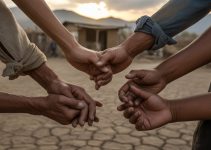
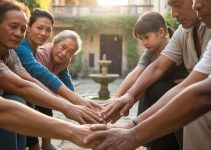
When you face a crisis, the Baha’i teachings invite you to see it as a test that can draw people closer rather than push them apart. You’ll find guidance in consultation, shared service, and an ethic of equitable aid that turns hardship into opportunity for collective growth. Consider how these principles play out in practice and what they reveal about the oneness of humanity—there’s more to uncover about how communities transform under pressure.
Main Points
- Crises are Tests that prompt communities to choose unity, strengthening faith and collective resolve through shared adversity.
- Coordinated service (food, shelter, medical referrals) transforms emergency aid into opportunities for mutual support and trust.
- Inclusive consultation fosters clear thinking, empathy, and consensus, guiding dignified, unified responses to urgent needs.
- Youth-led initiatives and volunteer coordination turn simple acts of service into deepened social bonds and sustained engagement.
- Resource-sharing hubs and rapid assessment teams ensure equitable aid distribution, transparency, and adaptive community resilience.
What the Baha’i Faith Means by “Crisis” and “Test”
Think of a crisis as a force that shakes both individuals and communities, and a test as the measure that shows whether faith and unity will hold. You’ll find that in the Baha’i writings, “crisis” refers to disruptions—personal loss, social upheaval, moral confusion—that prompt urgent choices. A “test” evaluates how you respond: whether you cling to selfish habits or rise toward service, patience, and trust in spiritual principles. You’re invited to see trials as opportunities for growth, not just suffering to endure. That perspective doesn’t minimize pain; it frames your responsibility to act with consultation, detachment, and steadfastness. By recognizing crises as catalysts and tests as sharpening tools, you’ll be better equipped to respond constructively and strengthen communal bonds.
Core Baha’i Principles That Reshape How Communities Face Hardship
When you face hardship as a Baha’i community, you’re reminded that the oneness of humanity makes every struggle a shared concern and a call to mutual support. You’ll use consultation and unity to listen, decide, and act together rather than letting fear or isolation dominate. In practice, service in adversity turns trials into opportunities to serve others and strengthen collective resilience.
Oneness Of Humanity
Because every person matters, the Baha’i principle of the oneness of humanity reshapes how communities respond to crisis by making inclusion, mutual aid, and shared responsibility the default. You see people as equal partners, so you prioritize fair distribution of resources and make sure no one is left out. In emergencies, that mindset turns strangers into neighbors and competition into cooperation. You practice empathy, listen to diverse needs, and act to protect the most vulnerable, recognizing their dignity strengthens everyone. This principle also guides education, public health, and relief efforts toward unity rather than division. Apply these ideas practically to rebuild trust and resilience quickly.
- Prioritize equitable aid
- Treat everyone as equal stakeholders
- Center the vulnerable
- Build solidarity through shared service
Consultation And Unity
Where oneness of humanity makes everyone a partner in relief, consultation gives that partnership shape: it’s the disciplined, inclusive method communities use to weigh needs, pool insights, and reach unified action. You listen without ego, examine possibilities together, and let truth emerge by consensus rather than contention. In crisis, this process turns scattered goodwill into coordinated care, strengthens mutual trust, and helps you act with dignity toward those affected.
| Heartfelt purpose | Clear thinking | Shared resolve |
|---|---|---|
| Empathy guides | Ideas tested | Decisions owned |
| Bonds deepen | Plans align | Hope multiplies |
Service In Adversity
Though adversity tests resources and resolve, you respond by turning service into a creative, steadfast practice: you prioritize needs, mobilize neighbors, and keep compassion central. You see hardship as a call to act, not to despair, and you learn practical skills while strengthening bonds. Service becomes worship when performed with humility and consultation; you share tasks, adapt plans, and protect dignity. Your efforts model unity, inspiring others to join and sustain collective resilience.
- Assess urgent needs quickly and allocate help fairly.
- Coordinate volunteers through prayerful consultation and clear roles.
- Use local resources imaginatively to meet basic and evolving needs.
- Document lessons, celebrate small victories, and refine future responses.
How Crisis Reveals the Oneness of Humanity in Practice
When crises push you out of familiar routines, they also strip away the illusions that we’re separate, revealing how our fates, efforts, and compassion are intertwined; in emergencies you see neighbors, strangers, and distant communities act together, share resources, and coordinate care, making the abstract ideal of human unity a visible, practical reality. You witness practical interdependence: people pool skills, finance, and time to meet urgent needs, transcending divisions of class, ethnicity, or creed. Shared vulnerability prompts empathy, mutual aid, and the quick formation of networks that persist beyond the immediate event. These lived responses teach you that unity isn’t rhetoric but a tested capacity for collective action, resilience, and moral growth rooted in everyday cooperation.
Consultation and Collective Decision-Making During Emergencies
If a crisis demands quick, coordinated action, consultative decision-making becomes your lifeline: it lets diverse perspectives surface, identifies practical needs, and builds the shared ownership needed for effective responses. You gather people with different skills and backgrounds, listen without ego, weigh evidence, and let collective wisdom guide priorities. You suspend personal bias, test options against community needs, and agree on clear, timebound steps. This process strengthens trust and guarantees decisions are both compassionate and practical.
- Clarify purpose and invite relevant voices.
- Encourage respectful, evidence-based sharing.
- Evaluate options with transparency and urgency.
- Assign roles, timelines, and review points for accountability.
Practical Baha’i-Inspired Responses: Service, Education, and Material Aid
Mobilize your community around clear, attainable acts of service that blend education, spiritual support, and practical aid—because crises demand both immediate relief and enduring resilience. You’ll coordinate food distribution, medical referrals, and shelter logistics while ensuring dignity and fairness. Train volunteers in basic first aid, psychosocial listening, and culturally appropriate hygiene practices so responses suit local needs. Offer literacy, health, and disaster-preparedness workshops that empower families long after the emergency. Use consultative planning to identify scarce resources and avoid duplication, partnering with other groups when helpful. Keep records, evaluate outcomes, and adapt programs based on feedback. By focusing on competent, compassionate service and shared learning, you’ll meet immediate needs and build community capacity without substituting for professional systems.
Spiritual Growth and Moral Courage Born From Shared Suffering
Shared suffering can strip away pretense and reveal the moral resources you and your neighbors carry, prompting courage, humility, and a deeper sense of purpose that transform fear into steady service. You notice patience sharpening, devotion deepening, and a willingness to act where you might once have hesitated. This shared crucible cultivates moral courage: you speak truth kindly, defend the vulnerable, and choose integrity over ease. It also fosters spiritual growth: daily acts of service become prayers in action, and communal reflection strengthens resolve. As you work together, virtues spread by example, creating a culture of mutual uplift that outlasts the crisis.
- Practicing patience in hardship
- Choosing integrity under pressure
- Turning service into spiritual discipline
- Encouraging collective reflection
Case Studies: Baha’i Community Initiatives That Strengthened Unity During Crises
You’ll see how local relief networks mobilized neighbors quickly after emergencies, providing food, shelter, and practical support that kept communities connected. You’ll also learn how youth-led service projects brought energy and creativity to long-term recovery, strengthening bonds across generations. Together these case studies show practical ways you can apply Baha’i principles of unity and service in times of crisis.
Local Relief Networks
When crises hit, local Baha’i communities have often stepped in quickly, organizing relief networks that combined practical aid with spiritual support. You’ll see neighbors coordinating food, shelter, and medical referrals while offering prayers, consultation, and moral encouragement. These networks lean on existing community institutions, local knowledge, and volunteers who move from shared concern to focused action.
- Rapid assessment teams that map needs and match volunteers to tasks.
- Resource-sharing hubs that pool donations and distribute essentials equitably.
- Volunteer coordination systems that schedule shifts, training, and well-being checks.
- Spiritual care circles that provide companionship, moral reflection, and resilience-building.
You’ll notice unity grows as people work together with clear roles, mutual trust, and a shared purpose.
Youth-Led Service
Mobilizing quickly, youth in Baha’i communities have led inventive service projects that met urgent needs while knitting neighbors together. You see young people organizing food deliveries, tutoring children online, and repairing homes after storms, and their energy invites others to join. You’ll notice collaboration replaces isolation as youth listen, plan, and act with humility. Their projects model shared responsibility, turning crisis into an opportunity for growth and trust. Stories of simple acts—phone trees for elders, pop-up clinics, community gardens—show how service fosters lasting ties and mutual protection.
| Action | Impact |
|---|---|
| Food delivery | Relief and connection |
| Remote tutoring | Hope and continuity |
| Home repairs | Safety and dignity |
| Gardens | Sustenance and solidarity |
Frequently Asked Questions
How Do Baha’is Balance Prayer With Urgent Emergency Logistics?
You prioritize prayer for guidance while acting promptly: you pray briefly and regularly, coordinate practical relief with others, delegate tasks, use plans and resources efficiently, and trust that spiritual focus strengthens your practical, compassionate emergency response.
Are Non-Baha’is Included in Baha’i-Led Relief Efforts?
Yes — you’ll find Baha’i-led relief serves everyone regardless of faith; they’ll coordinate with local communities, partner groups, and authorities to meet needs impartially, focusing on humanity’s welfare rather than proselytizing or religious tests.
How Are Disagreements Resolved When Beliefs Differ in Crisis Responses?
You resolve disagreements by consulting principles, listening respectfully, and prioritizing service; you seek consensus through dialogue, follow local Baha’i guidance when appropriate, and adapt actions compassionately so practical needs override doctrinal disputes during crisis response.
What Training Prepares Baha’i Institutions for Large-Scale Disasters?
Think of a lighthouse guiding ships: you receive training in community-based disaster preparedness, emergency response protocols, capacity-building workshops, volunteer coordination, first aid, and spiritual-resilience programs so institutions can lead large-scale disaster efforts effectively.
How Do Baha’i Teachings Address Long-Term Trauma Recovery?
You’ll find Baha’i teachings emphasize spiritual healing, community support, consultation, prayer, and service to rebuild meaning. They encourage practical care, education, and collective action so communities and individuals gradually recover resilience and renewed purpose together.
See the Next Article
When crisis arrives like a sudden storm, you’ll find the Baha’i vision turning raindrops into rivers of unity. You’ll stand with others, guided by consultation, service, and shared purpose, and watch fragile strands of trust braid into unbreakable rope. In those heated moments your faith, courage, and compassion become a communal lantern—lighting paths to practical aid, education, and moral growth. You don’t just survive the test; you forge a stronger, more loving community.